
//OAXACA DIARIES
The Ceviche Road: 2,000 Kilometers Along the Pacific
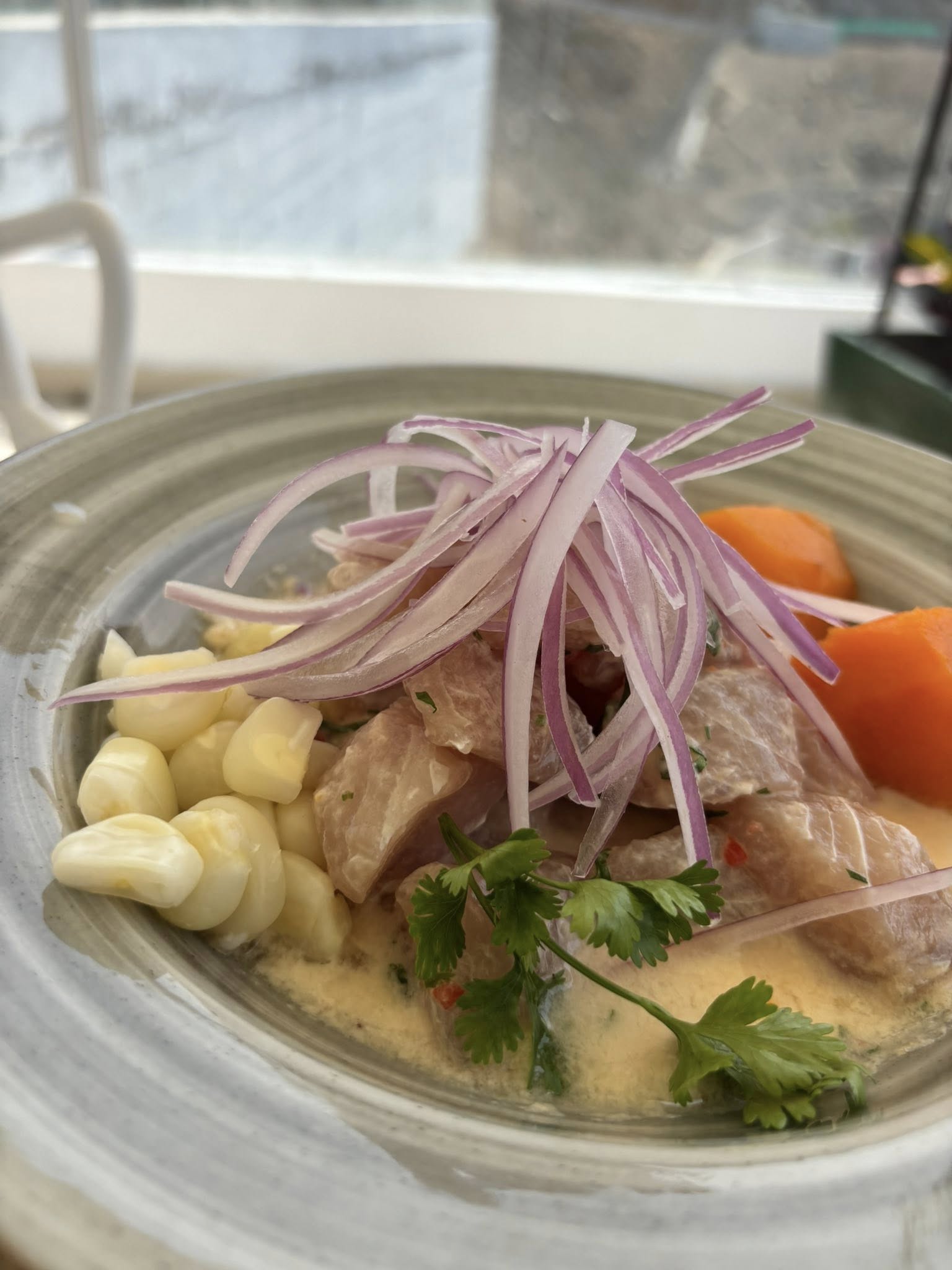
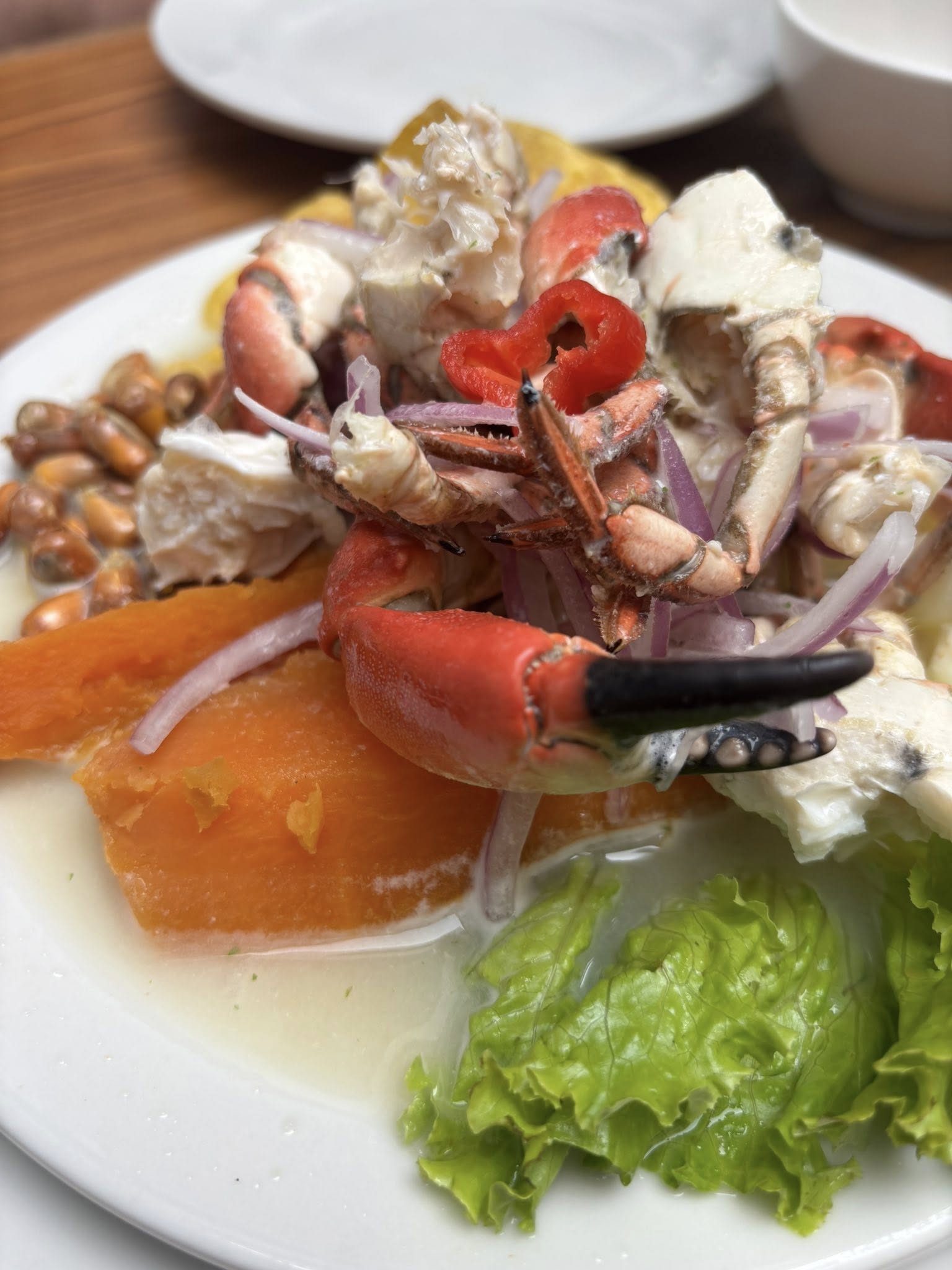
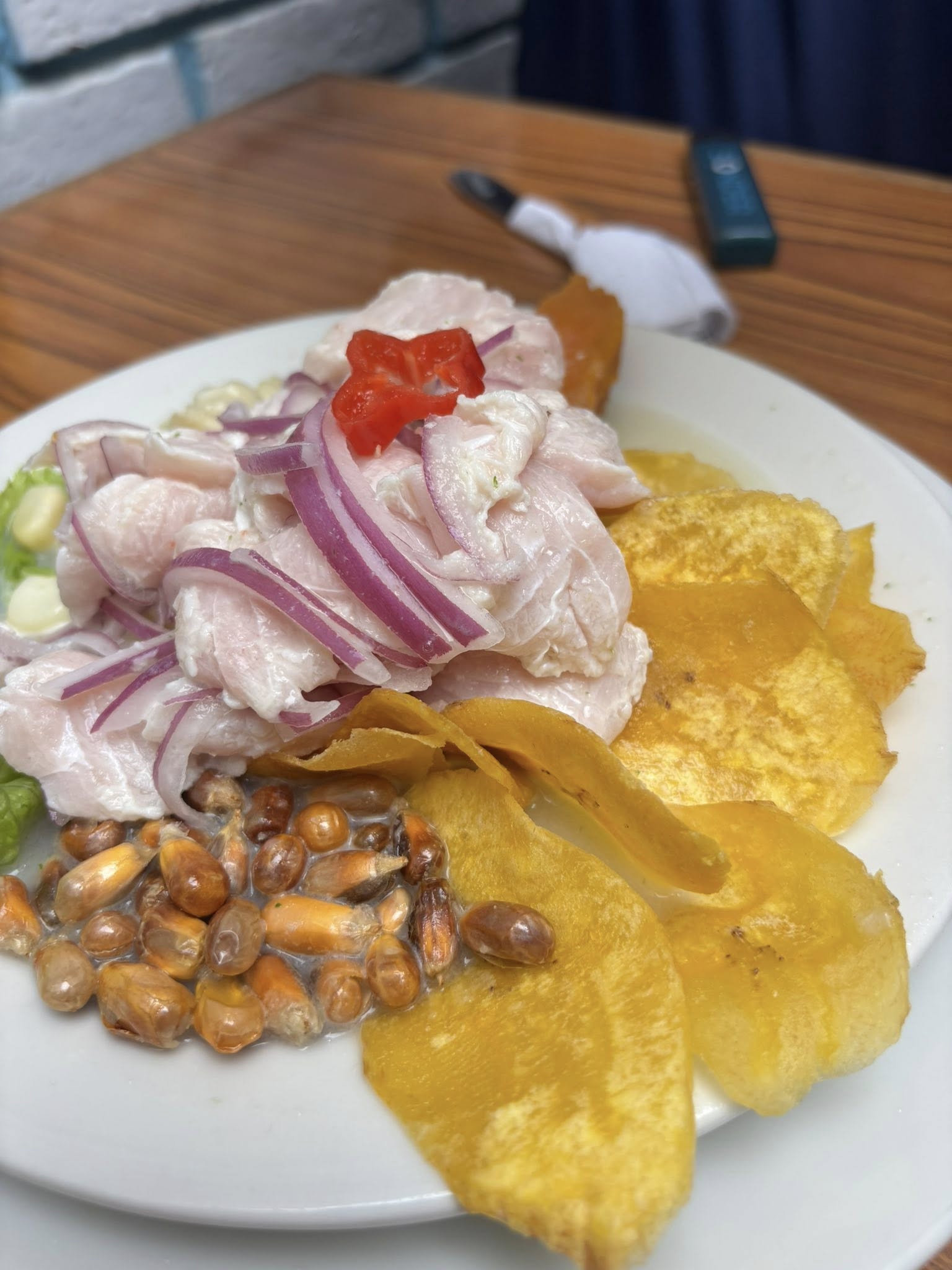
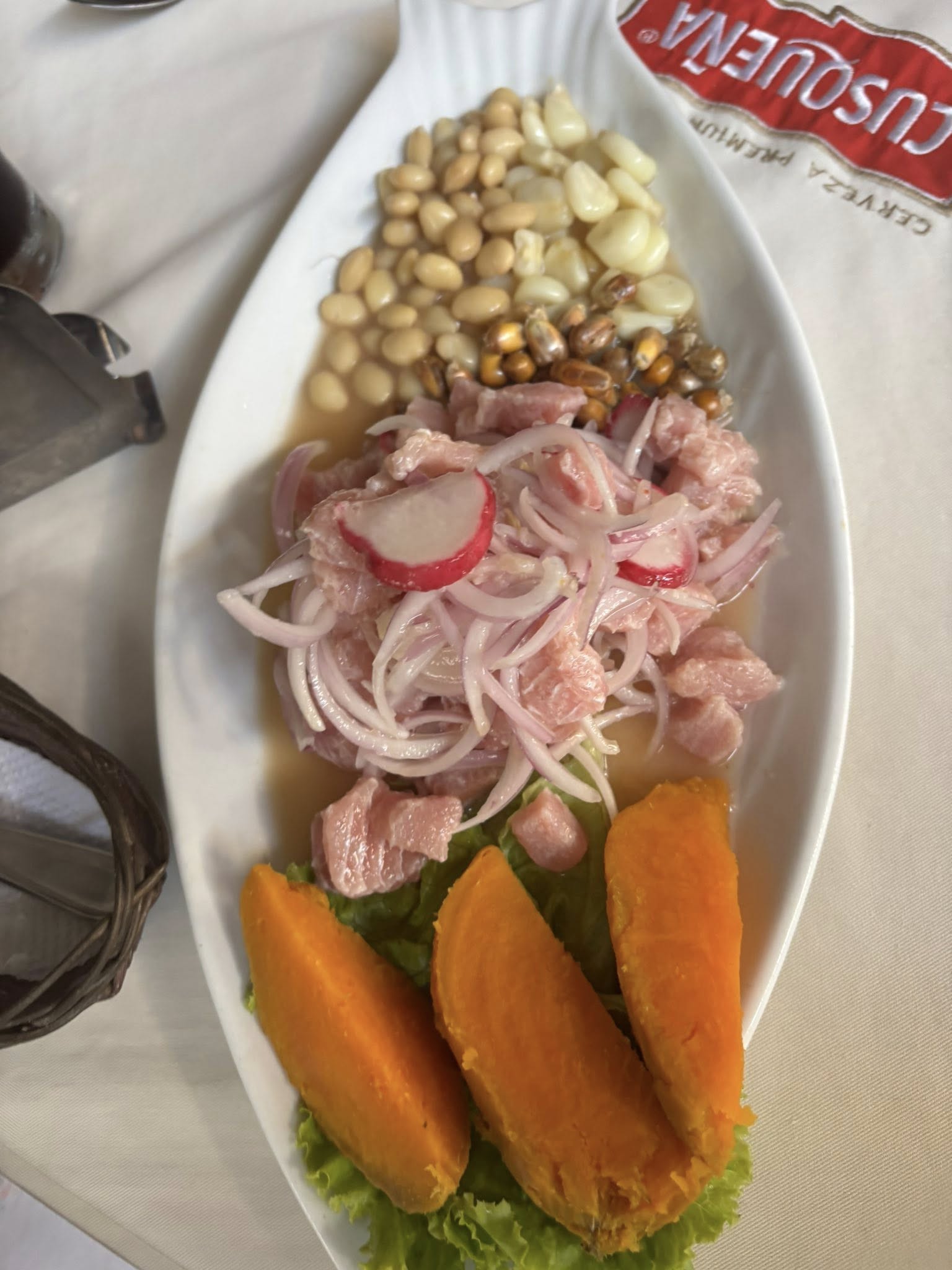
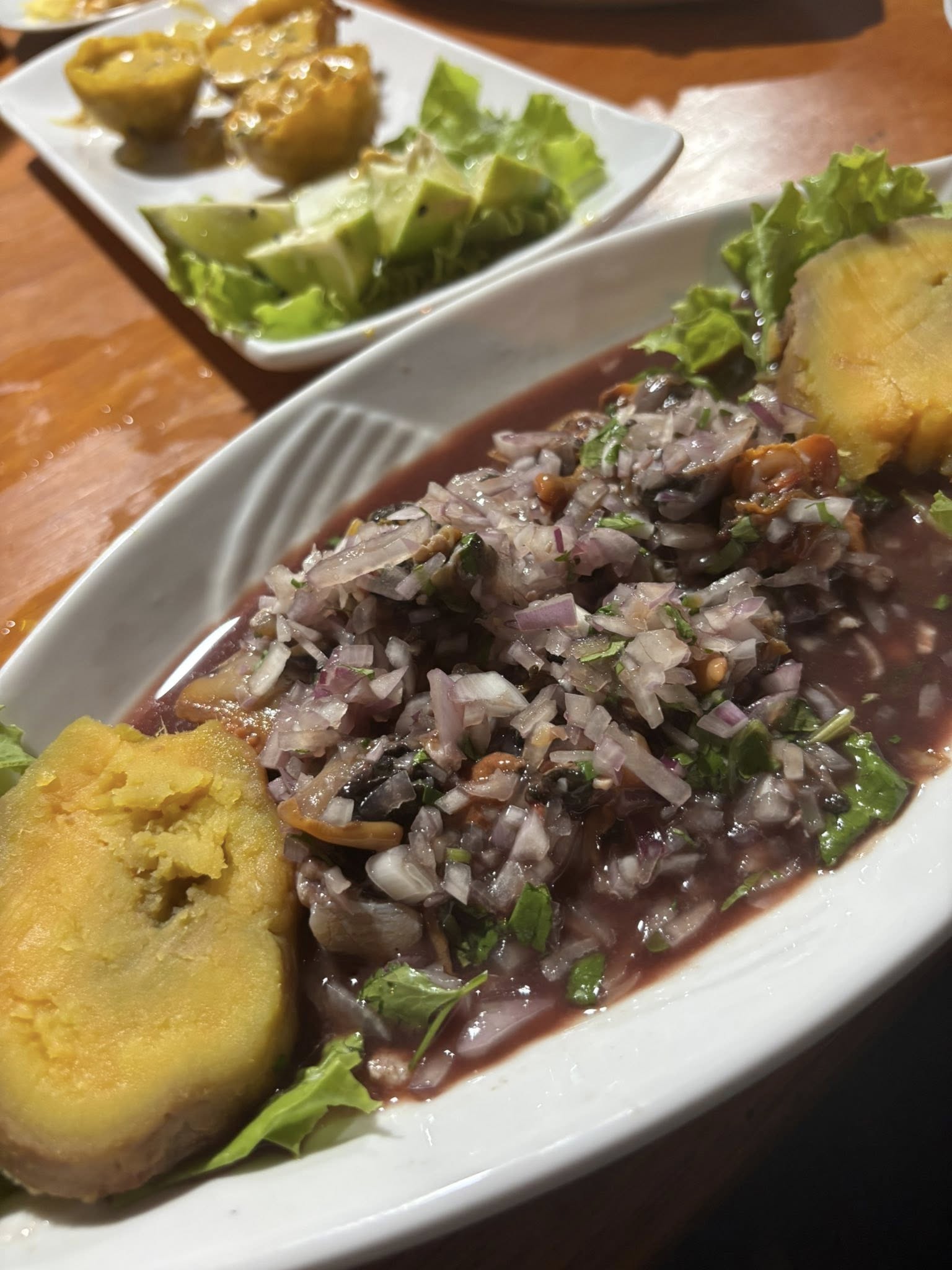
There are some dishes you simply eat, and then there are dishes that define your existence. For me, ceviche—or cebiche, as it’s etched into my soul—is the latter.
This was my third time in Peru, a land whose history runs as deep and complex as Mexico’s. But this trip was different. This time, I had a mission: to understand the roots of this dish that I have spent my life chasing.
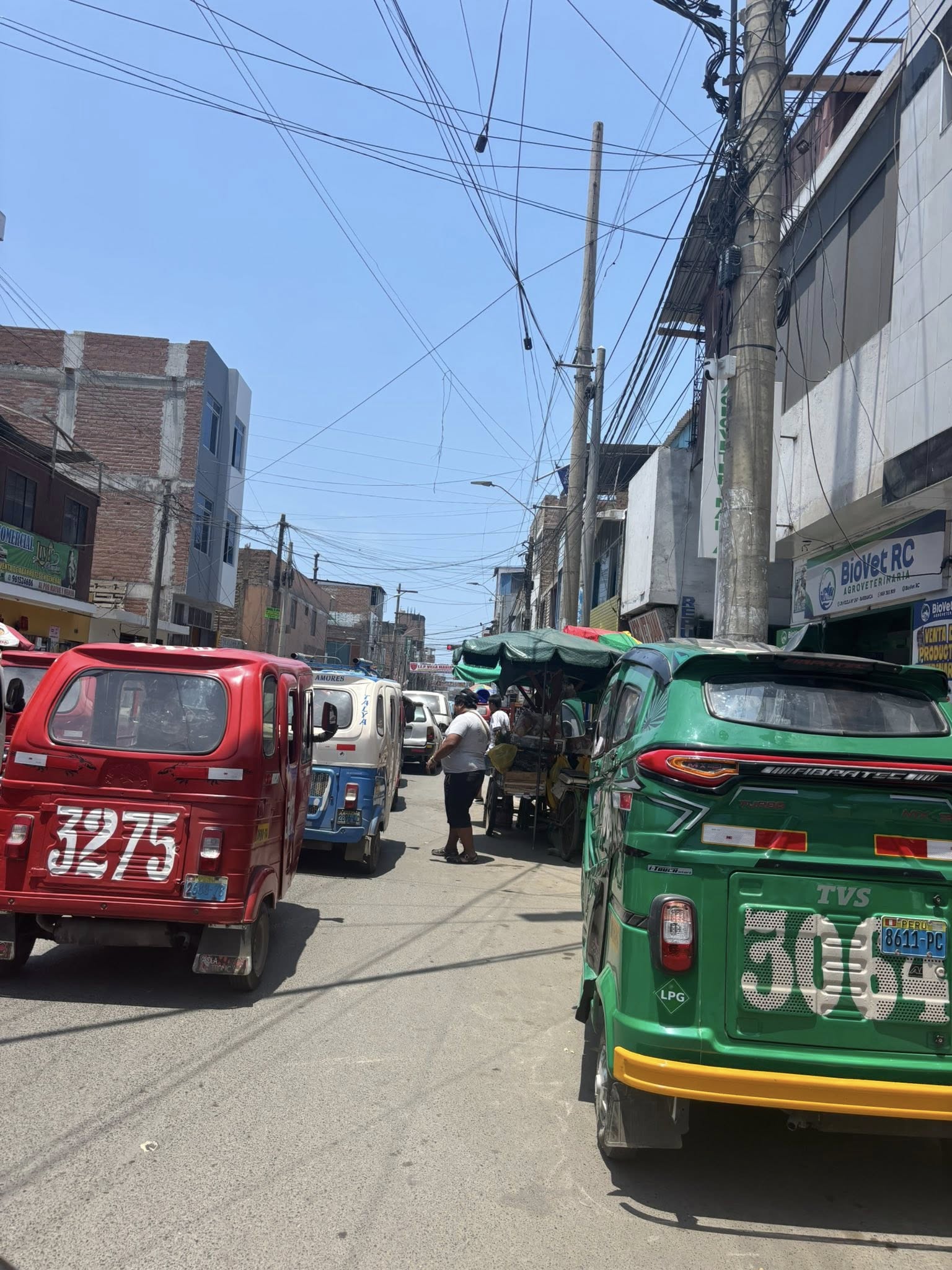
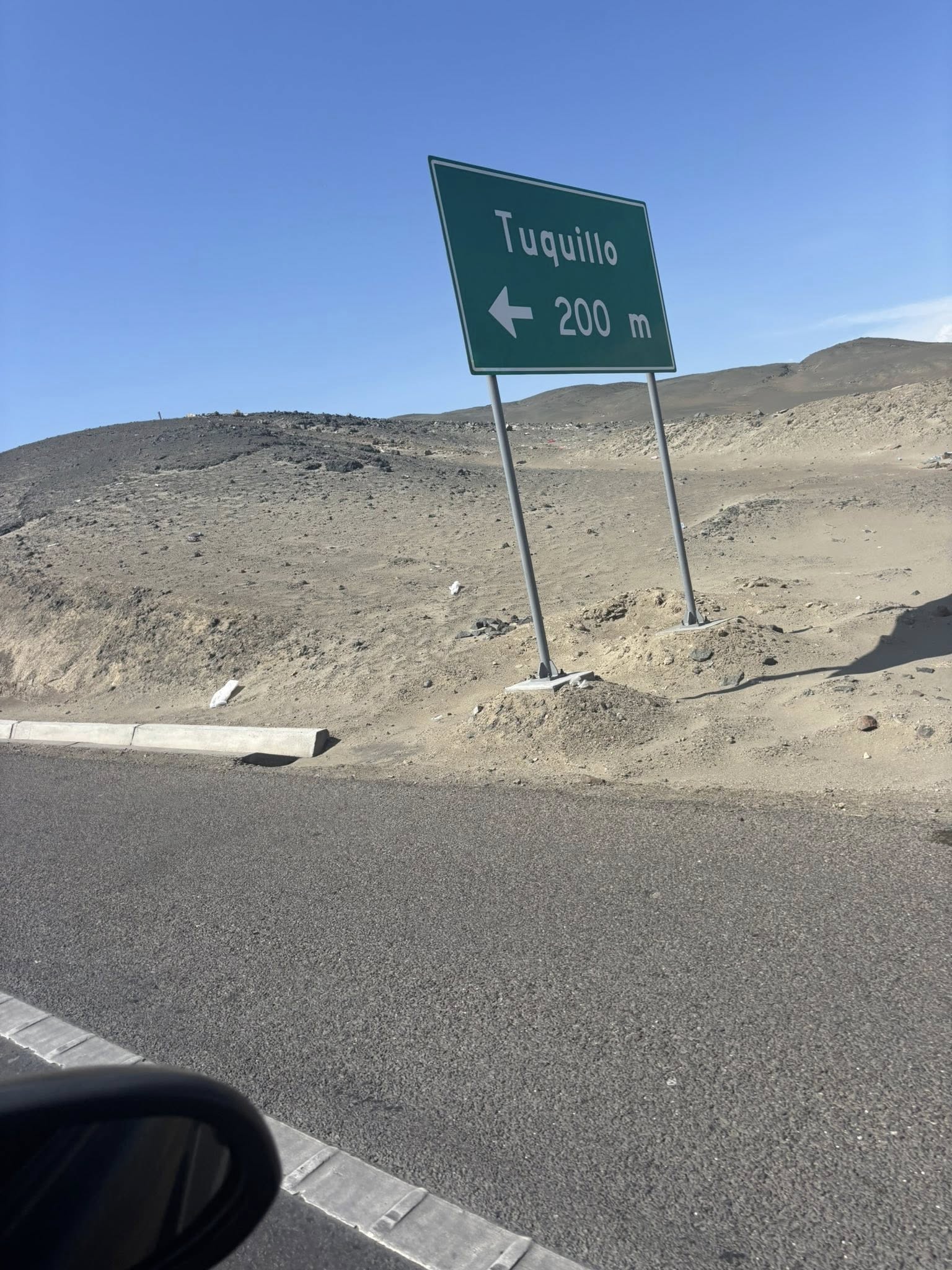
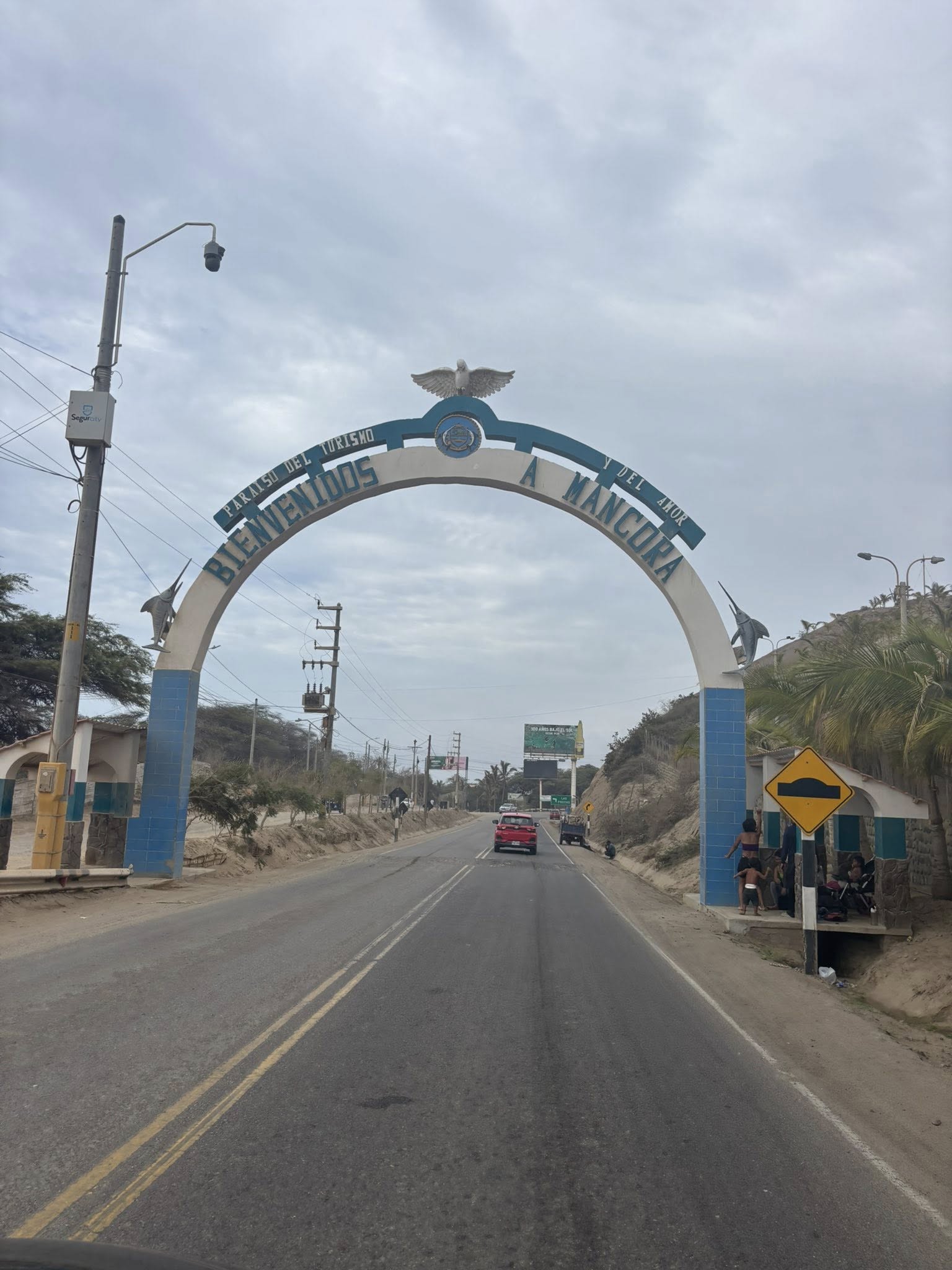
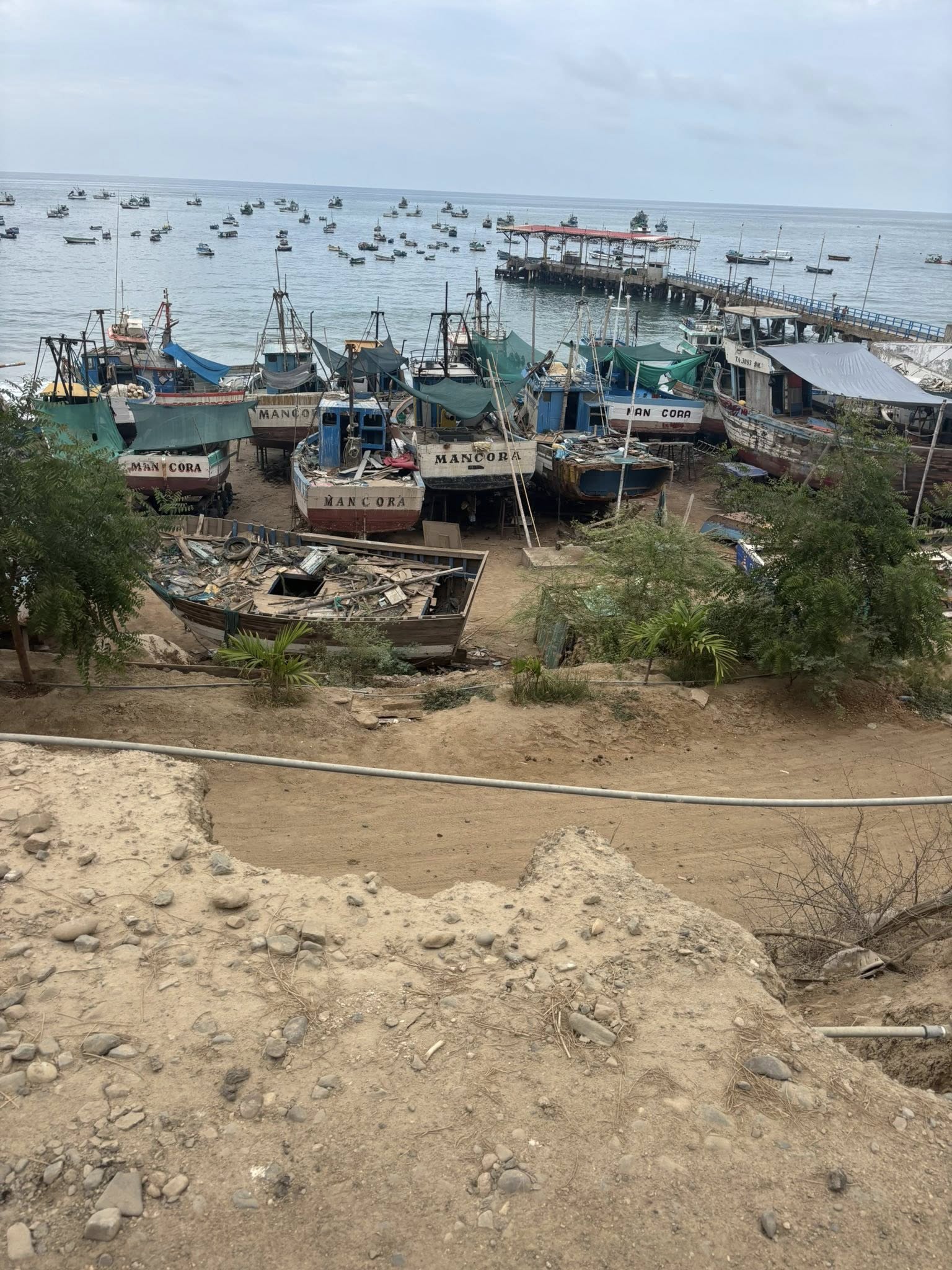
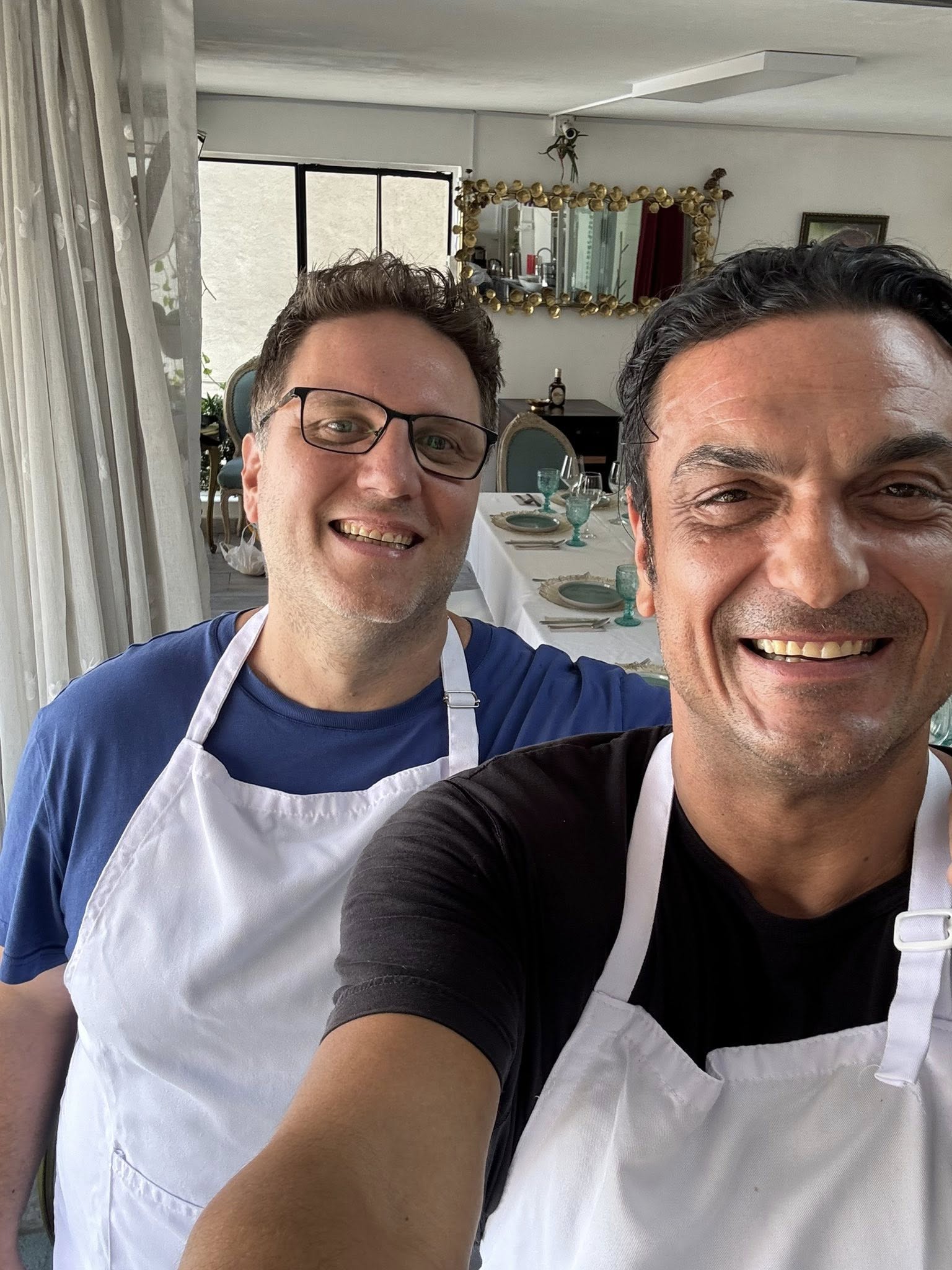
The Pacific Run: To truly understand the heart of ceviche, you can’t just stay in the city. You have to follow the coast. Together with my brother-in-spirit, George Psonis, we rented a car in Lima and embarked on a 2,000-kilometer journey north toward the border of Ecuador.
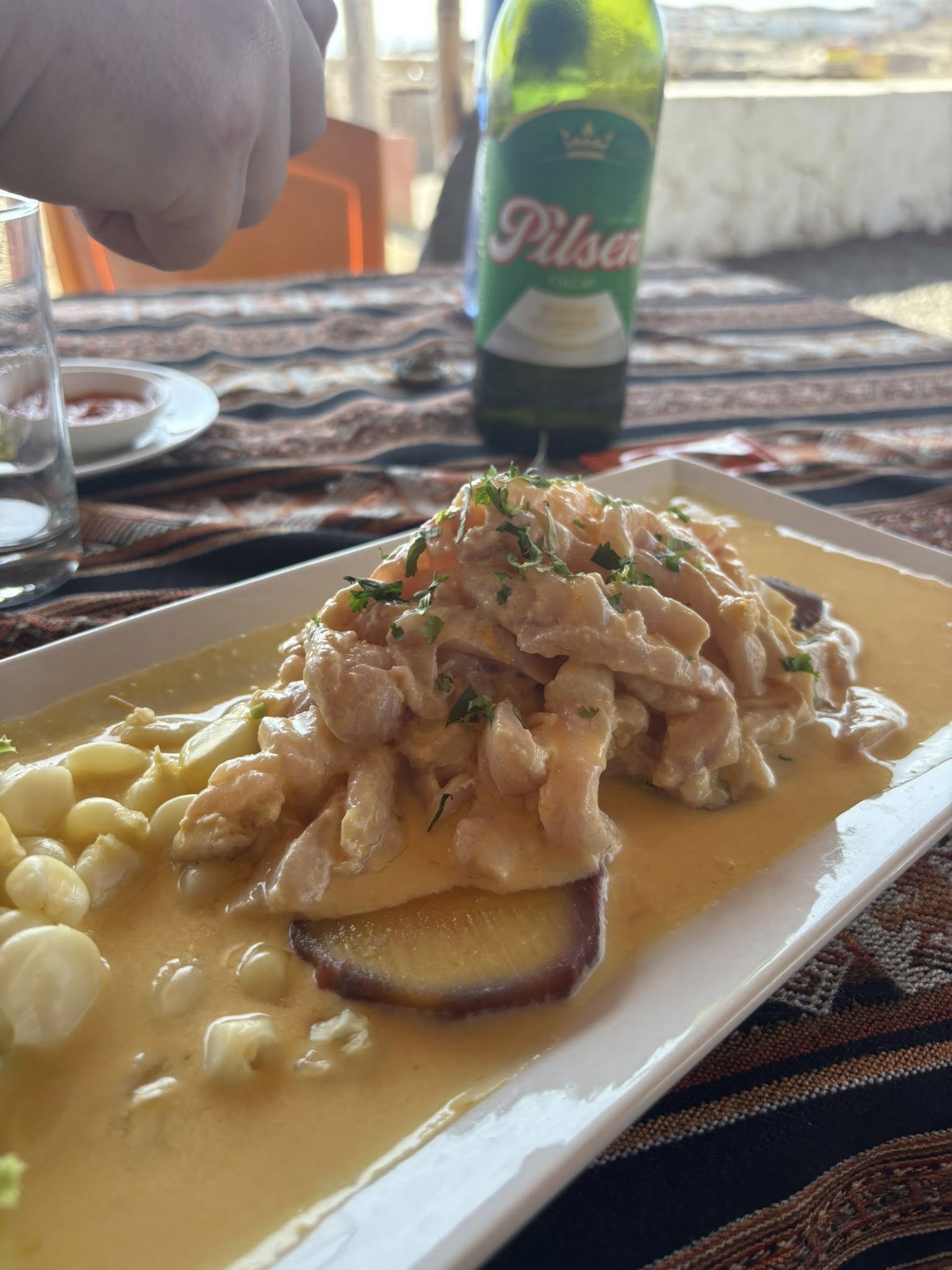
We wound our way through the "Ceviche Villages"—Ancón, Barranca, Tuquillo, Chimbote, Trujillo, Chiclayo, Piura, Máncora, Zorritos, and Tumbes. What we saw, and more importantly, what we tasted in these coastal outposts, was a sweet, dizzying revelation. Our Peruvian friends were shocked by the ground we covered, but for us, it was the only way to experience the rhythm of the Pacific.
The Art of Detail: Ceviche is deceptively simple. It looks like a basic assembly of ingredients, but it is actually a high-stakes study in detail. It’s all in the variables: the exact variety of chili pepper, the precise temperature of the fish, the timing of the lime, the acidity levels.
We learned that small geographical shifts change the entire profile of the dish. It is a tradition that traveled, carried by fishermen to the state of Guerrero in Mexico, and now, it is a national treasure in both countries.
Bringing it Home: We didn't travel 2,000 kilometers just to eat; we traveled to bring that knowledge back to the kitchen. Our goal for Matzénta this year isn't to just replicate a recipe; it’s to offer a version of ceviche that is as faithful to its roots as it is to our own creativity.
We’ve absorbed the Pacific. Now, we’re ready to share it.
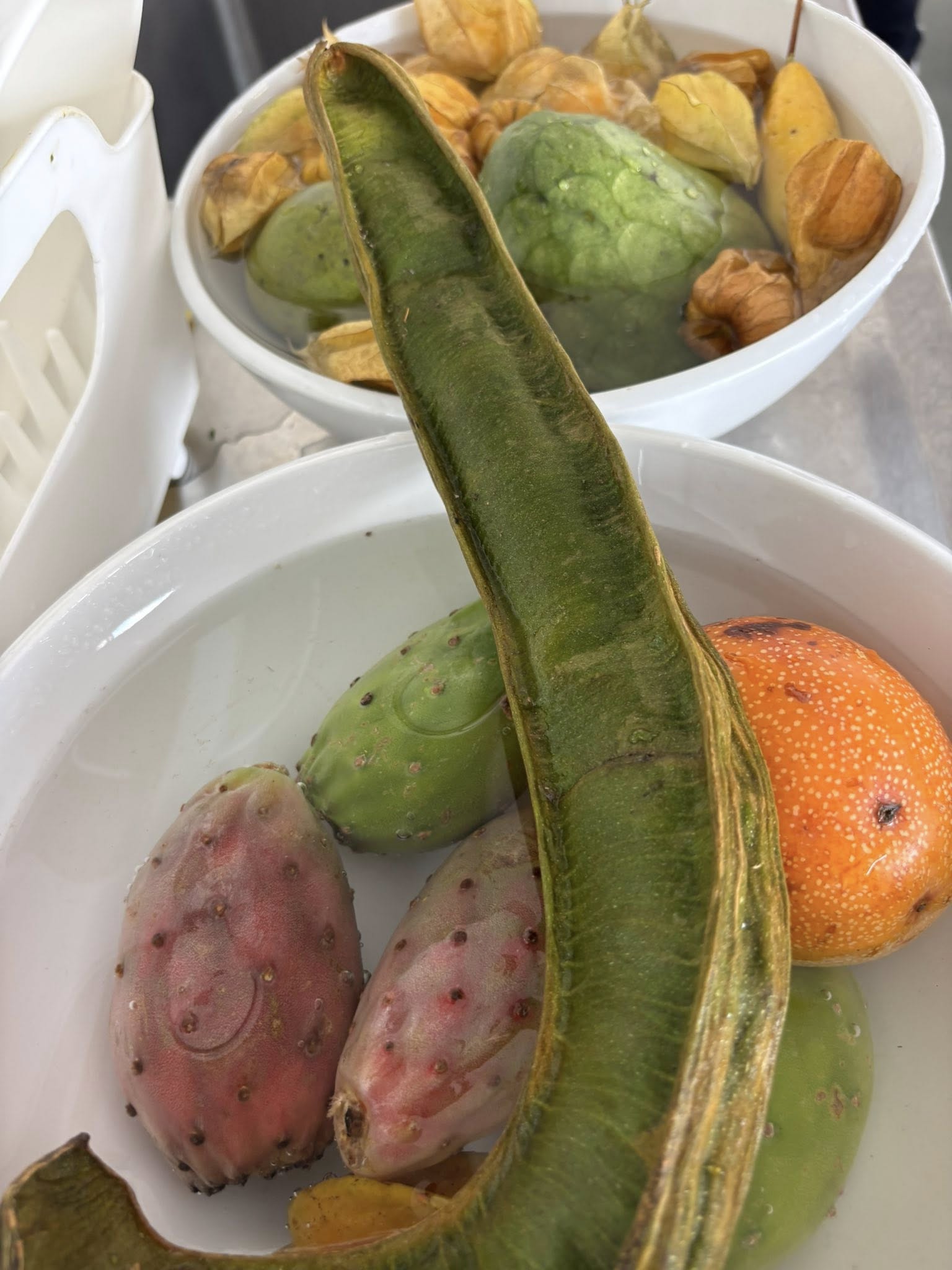
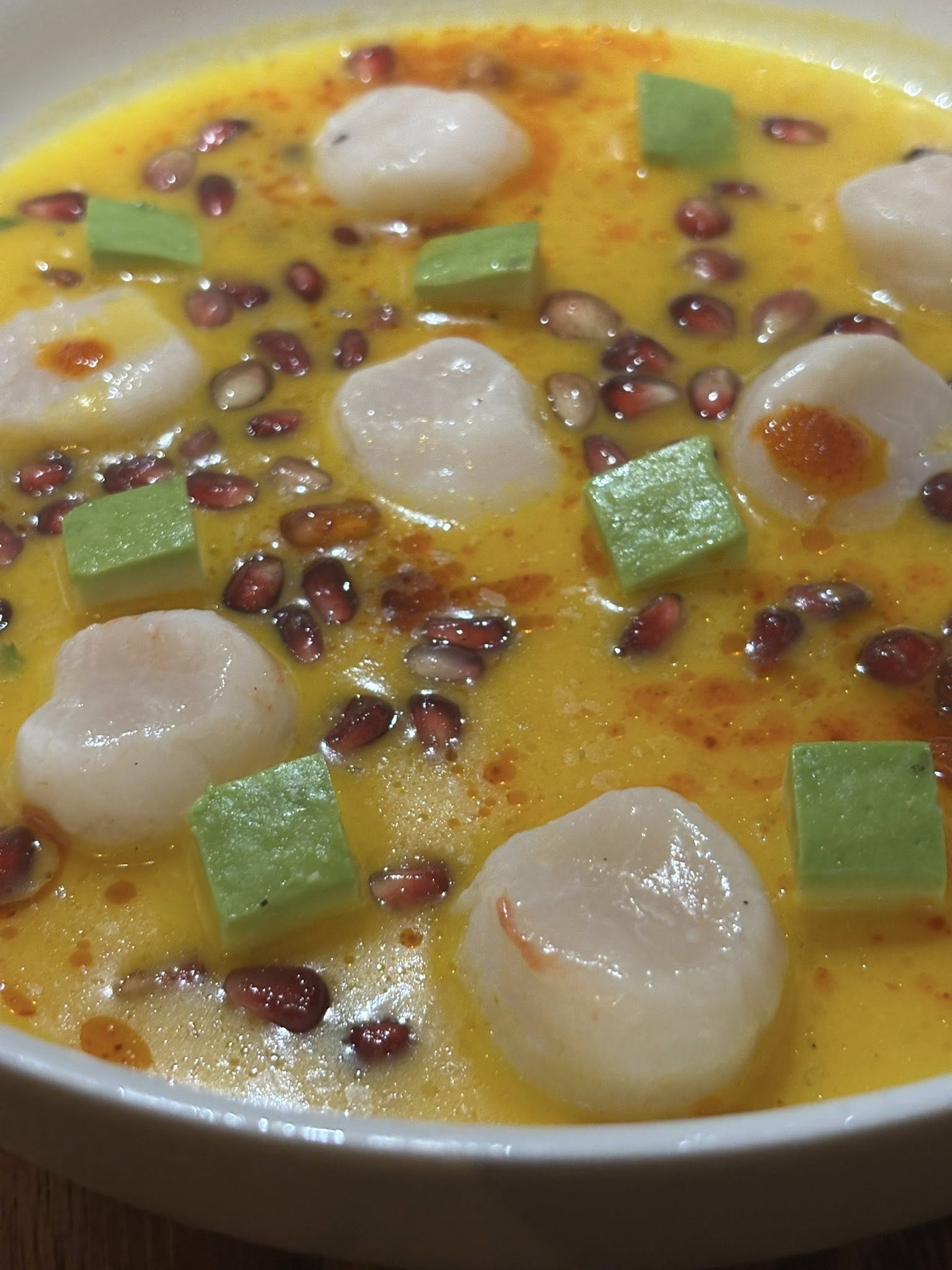
Notes from the Road:
- The Scent: Salt air mixed with fresh lime and searing heat.
- The Lesson: "Simple" is just another word for "perfectly balanced."
- A Thought to Carry: You haven't really understood a culture until you've traveled its coastline.
The Horizon Expands: From the Mountains to the Pacific
Every journey must have its end, but the best ones simply shift the horizon.
The Familiarity of Foreign Streets
They say you can’t have two homes, but anyone who has walked the streets of Oaxaca knows that isn't true.
Liquid Sunlight in the Mecca of Mezcal
To understand Oaxaca, you have to understand the agave. And to understand the agave, you have to travel to Santiago Matatlán.
Dust, Dye, and the Zapotec Heart
There is a specific kind of quiet you only find in Teotitlán del Valle. It’s the sound of the wind moving through the Zapotec land, carrying the scent of dry earth and woodsmoke.
Beyond the Blue Door: A Lesson from the Istmo
Sometimes, the best parts of a journey aren't found on a map. They are found behind heavy, unmarked doors.
Copyright © 2024-2026 Matzenta Kusina del Sol. All Rights Reserved.
Designed and created by Berries On The Web
Privacy Policy | Cookies Policy | Consent Preferences | Press